Saturday, October 12, 2013

Sunday, October 6, 2013
Blog Post # 7
What can We Learn from Conversations with Anthony Capps?
Edna Montgomery
The first thing I want to say is, “Thank You Anthony Capps,” for sharing your experience as a new teacher and giving advice to future teachers. The conversations are powerful! Setting goals for the students, parents not satisfied with Project-Based Learning, and information about iCurio are just some of his experiences Capps share with us.
Jasmine McCall
Project-Based Learning: Experiences of a 3rd Grade Teacher Part 1 and Part 2
Mr.Capps states that Project-Based Learning is a "method by which students learn, rather than what they do at the end of a lesson, to show what they have learned". Teachers should use project-based learning as a means of getting students to learn and not as means to show what they have learned. The goals of a project-based learning lesson plan should be: to have an authentic audience, be of interest to the students, involve the community, and driven by content. Mr.Capps says to never limit your students on what you expect from them. With project-based learning, students are capable of creating work that goes beyond the teachers expectations. PBL also gives students a choice in what they are learning. When students are able to make decisions, they take more pride in their work and are able to comprehend what they are saying and arguing. When students create projects, their work becomes more meaningful and they are more engaged in what they are learning.
Jasmine McCall
iCurio
iCurio is an online tool, that can serve different purposes in the classroom. iCurio, can be used as a search engine by students to find pictures, videos, or websites that aide in their learning or research. With iCurio, teachers know that their students will not come across harmful or negative material because all online material that can be accessed through iCurio has been filtered for educational purposes.
Jasmine McCall
Discovery Education
"If a picture is worth a thousand words, then a video must be worth a million". Discovery Ed allows teachers to combine text with a visual. When students are able to see pictures and videos along with text they retain more of the information they are learning. Discovery Ed enables teachers to "bring the text alive".
Jasmine McCall
The Anthony-Strange List of Tips for Teachers: Part 1
1st - Someone who wants to be an educator, must be interested in learning. If you have no desire to learn, you will not succeed as an educator.
2nd - "Work is not seperate from play". Teaching should be thought of as a craft or hobby, and you should spend your free time improving as a educator. Allow teaching to become a fun experience for you.
3rd - Be flexible and creative. Start with an end goal, but be prepared for the unexpected to take place.
4th - "Have 100% engagement, 100% of the time". Create content that caters to every students needs. Create projects they care about, are interested in and want to discover more about. Crucial: "Constantly think about, How can I get EVERY single one of my children involved in this learning process".
5th- Allow students to reflect on their work. Having an audience is a perfect purpose for reflection. When students have an audience to share their work with, they are more willing to revise their work and make it better for their audience.
Jasmine McCall
Don't Teach Tech, Use It
"Never teach tech, use it". Focus on one technology tool per week and build on it. Allow students time to reflect on this tool, then combine it with a new tool the following week.Capps stress of letting the students learn technology, one at a time, is a method of retaining a new skills and information. The tips for teachers is a extra bonus he gives us. I’m really listening when he points out that teaching is hard work. Experience in technology, will prepare students for the tools they will use in the real-world.

We enjoyed these conversations and will reflect on them when we enter the classroom.
Jasmine Mccall and Edna Montgomery
Edna Montgomery
The first thing I want to say is, “Thank You Anthony Capps,” for sharing your experience as a new teacher and giving advice to future teachers. The conversations are powerful! Setting goals for the students, parents not satisfied with Project-Based Learning, and information about iCurio are just some of his experiences Capps share with us.
Jasmine McCall
Project-Based Learning: Experiences of a 3rd Grade Teacher Part 1 and Part 2
Mr.Capps states that Project-Based Learning is a "method by which students learn, rather than what they do at the end of a lesson, to show what they have learned". Teachers should use project-based learning as a means of getting students to learn and not as means to show what they have learned. The goals of a project-based learning lesson plan should be: to have an authentic audience, be of interest to the students, involve the community, and driven by content. Mr.Capps says to never limit your students on what you expect from them. With project-based learning, students are capable of creating work that goes beyond the teachers expectations. PBL also gives students a choice in what they are learning. When students are able to make decisions, they take more pride in their work and are able to comprehend what they are saying and arguing. When students create projects, their work becomes more meaningful and they are more engaged in what they are learning.
Jasmine McCall
iCurio
iCurio is an online tool, that can serve different purposes in the classroom. iCurio, can be used as a search engine by students to find pictures, videos, or websites that aide in their learning or research. With iCurio, teachers know that their students will not come across harmful or negative material because all online material that can be accessed through iCurio has been filtered for educational purposes.
Jasmine McCall
Discovery Education
"If a picture is worth a thousand words, then a video must be worth a million". Discovery Ed allows teachers to combine text with a visual. When students are able to see pictures and videos along with text they retain more of the information they are learning. Discovery Ed enables teachers to "bring the text alive".
Jasmine McCall
The Anthony-Strange List of Tips for Teachers: Part 1
1st - Someone who wants to be an educator, must be interested in learning. If you have no desire to learn, you will not succeed as an educator.
2nd - "Work is not seperate from play". Teaching should be thought of as a craft or hobby, and you should spend your free time improving as a educator. Allow teaching to become a fun experience for you.
3rd - Be flexible and creative. Start with an end goal, but be prepared for the unexpected to take place.
4th - "Have 100% engagement, 100% of the time". Create content that caters to every students needs. Create projects they care about, are interested in and want to discover more about. Crucial: "Constantly think about, How can I get EVERY single one of my children involved in this learning process".
5th- Allow students to reflect on their work. Having an audience is a perfect purpose for reflection. When students have an audience to share their work with, they are more willing to revise their work and make it better for their audience.
Jasmine McCall
Don't Teach Tech, Use It
"Never teach tech, use it". Focus on one technology tool per week and build on it. Allow students time to reflect on this tool, then combine it with a new tool the following week.Capps stress of letting the students learn technology, one at a time, is a method of retaining a new skills and information. The tips for teachers is a extra bonus he gives us. I’m really listening when he points out that teaching is hard work. Experience in technology, will prepare students for the tools they will use in the real-world.
We enjoyed these conversations and will reflect on them when we enter the classroom.
Jasmine Mccall and Edna Montgomery
Project # 2 PLN
Personal Learning Network: Progress Report
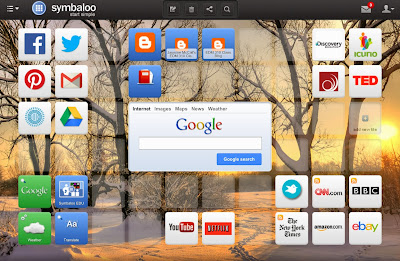
For my PLN, I chose to use Symbaloo. I have added my EDM310 blog as well as the EDM310 class blog. I have also added iCurio, Discovery Ed, and Buck Institute for Education (BIE), as these are important resources all teachers need in the classroom.

For my PLN, I chose to use Symbaloo. I have added my EDM310 blog as well as the EDM310 class blog. I have also added iCurio, Discovery Ed, and Buck Institute for Education (BIE), as these are important resources all teachers need in the classroom.
C4K Summary for September
Batman's Blog
My first C4K was for a student named, "Batman". His blog post assignment for the week was to write a "This I Believe" post. In his post "God Is For REAL" he wrote about his developing relationship with God. He wrote about the day he was baptized and how after hearing the song lyrics "The mountains shack before him,The demons run and flee at the mention of the name, the king of majesty", that he felt graceful and surrounded by love and peace.
In my comment to him, I said that I admired his ability to be open and honest about his relationship with God. I loved how he spoke about his faith in God, through personal experiences.

Felisa's Blog
My second C4K was for Felisa, a fifth grader in Guatemala City. For her blog post, Felisa wrote a short story called "The Green Thumb:Scene". She wrote about a girl named Lizzie, who loved working in her garden. One day Lizzie woke up with a magical green thumb, which she used to help the environment by growing plants in her garden and the city she lived in.
In my comment to Felisa, I told her that I enjoyed reading her short story and that she seems like a student who cares about the environment and ways to make it better. I told her that I loved that her character Lizzie, was able to use her magical green thumb to make a difference in the world and make the people in her city happy.

Anthony's Blog
My third C4K was Anthony, a year 7 student at Pt England School. For his blog post, he and his group members created a video about the events of 9/11.
In my comment to Anthony, I told him that I thought, he and his group's video was very creative and well put together. I also commented on their voice over, which was quite interesting.
 /
/
The Amazing Mackenzie's Blog
My fourth C4K was for Mackenzie, a fifth grade student in Wisconsin. In her blog post "Silence? while figuring out Brain Teasers with a Partner?!!" she wrote about the method she and her partner used to communicate with one another without speaking. She stated, that she and her partner had previously taken sign language in the fourth grade, and used this knowledge as their form of communications. She admitted that the project was hard, but, when they solved the brain teasers, they had felt pretty proud of themselves.
In my comment to Mackenzie, I told her that this was a very interesting task she and her partner had to complete. I stated, that I could only imagine how difficult it would be to communicate without having the ability to verbally interact with someone. I said that it was great how the two of them were able to use their prior knowledge of sign language to aide them in solving the brain teasers.
My first C4K was for a student named, "Batman". His blog post assignment for the week was to write a "This I Believe" post. In his post "God Is For REAL" he wrote about his developing relationship with God. He wrote about the day he was baptized and how after hearing the song lyrics "The mountains shack before him,The demons run and flee at the mention of the name, the king of majesty", that he felt graceful and surrounded by love and peace.
In my comment to him, I said that I admired his ability to be open and honest about his relationship with God. I loved how he spoke about his faith in God, through personal experiences.
Felisa's Blog
My second C4K was for Felisa, a fifth grader in Guatemala City. For her blog post, Felisa wrote a short story called "The Green Thumb:Scene". She wrote about a girl named Lizzie, who loved working in her garden. One day Lizzie woke up with a magical green thumb, which she used to help the environment by growing plants in her garden and the city she lived in.
In my comment to Felisa, I told her that I enjoyed reading her short story and that she seems like a student who cares about the environment and ways to make it better. I told her that I loved that her character Lizzie, was able to use her magical green thumb to make a difference in the world and make the people in her city happy.
Anthony's Blog
My third C4K was Anthony, a year 7 student at Pt England School. For his blog post, he and his group members created a video about the events of 9/11.
In my comment to Anthony, I told him that I thought, he and his group's video was very creative and well put together. I also commented on their voice over, which was quite interesting.
The Amazing Mackenzie's Blog
My fourth C4K was for Mackenzie, a fifth grade student in Wisconsin. In her blog post "Silence? while figuring out Brain Teasers with a Partner?!!" she wrote about the method she and her partner used to communicate with one another without speaking. She stated, that she and her partner had previously taken sign language in the fourth grade, and used this knowledge as their form of communications. She admitted that the project was hard, but, when they solved the brain teasers, they had felt pretty proud of themselves.
In my comment to Mackenzie, I told her that this was a very interesting task she and her partner had to complete. I stated, that I could only imagine how difficult it would be to communicate without having the ability to verbally interact with someone. I said that it was great how the two of them were able to use their prior knowledge of sign language to aide them in solving the brain teasers.
Saturday, October 5, 2013
Project # 13
Project-Based Learning: Lesson Plan #1
PBL Lesson Plan #1 (Animal Classification) created by: Jasmine McCall and Edna Montgomery
This lesson plan addresses Animal Classification. It is intended for 3rd grade students and covers a period of one week.
PBL Lesson Plan #1 (Animal Classification) created by: Jasmine McCall and Edna Montgomery
This lesson plan addresses Animal Classification. It is intended for 3rd grade students and covers a period of one week.
Friday, September 27, 2013
Blog Post # 6
Asking Questions: What questions do we ask? How do we ask?
Think back to your elementary, middle, or high school experiences. Doesn't matter which one, the question is "How many thought provoking questions were you asked"? It's okay if the answer is zero, truth is many students aren't given the chance to allow their thought process to start working. Often times teachers ask close-ended, unproductive questions, disallowing students to develop higher order thinking skills. As a future educator, I have no intentions of carrying along this tradition. So, how do we go about ending this tradition, by learning what questions to ask and how to ask these questions.

The Right Way to Ask Questions in the Classroom
This issue is addressed in Ben Johnson's blog post "The Right Way to Ask Questions". He states that perhaps the most important question to ask is "What does a teacher asking questions of a class expect the class to learn from the questioning process?" Some teachers don't often think about what they want their students to learn from class discussions. They typically ask their students general questions, such as, "Does everybody understand?". The fact is, general questions are not a basis for assessing whether or not students understand. To appropriately check for understanding among students, teachers should ask specific questions. Well, how do educators go about doing this? There is a simple and effective strategy, researched by Mary Budd Rowe, that all teachers can use in their classrooms when asking questions. When using this approach teachers would ask a question, pause for three seconds, then call on a student. This particular approach allows for all students to begin the thinking process, because they are unaware of which student the teacher will call on. Waiting at least three seconds is important due to the fact that when a teacher calls on a particular student over 1/3 of the class has tuned out or is relieved that their name was not called. Therefore all names should be called at random, allowing all students to be engaged in the thinking process and class discussion.

Three Ways to Ask Better Questions in the Classroom
Maryellen Weimer, who is the Professor of Teaching and Learning at Penn State, lists three ways to better ask questions that promote learning among students. The first action she recommends teachers to do, is to prepare questions ahead of time. Teachers spend so much time preparing content for instruction that they fail to address what types of questions they will ask their students. When teachers fail to prepare questions they may end up asking their students mundane, irrelevant questions that are not clear and only confuse their students. When a teacher takes time to prepare questions, they are able to write out the questions and check for clarity and revise the question if need be. Preparing questions also allow teachers to decide if the question needs to be asked and the appropriate time to ask the question. Her second suggestion is to play with questions. Playing with questions allows students a longer time frame to think about their answer. Rather than immediately accepting an answer, let the question go unanswered for a while and encourage your students to think about it. An example of this would be to ask a question at the beginning of class and then wait until the end of class to ask for student responses. Collect many different answers and discuss each response before stating which responses are correct. The third approach is to preserve good questions. These can be questions you asked or questions that a student has asked. Good questions can be revised, refocused, or used in another class. When a teacher keeps and shares a question proposed by one of their students, he or she shows their class that they are interested and care about what their students have to say. Ms. Weimer states that educators should also improve their questioning techniques so that students are able to see the importance of questions and how they help us learn and think. "Eventually students may start asking better questions themselves, including ones we can't answer. And those are the best questions of all".

Asking Questions to Improve Learning
In this video Joanne Chesley, MSA (Master of School Administration) Program Coordinator at North Carolina A&T State University, explains how teachers can improve their questioning skills. She focuses on open-ended versus close-ended questions. Close-ended questions are unproductive and "structures a response for the student and can be answered with one word". Open-ended questions stimulate discussion and "leaves the form of the answer up to the person responding, eliciting more thinking and yielding more information".

Asking Effective Questions
Here are some examples of types of questions that are fruitless and unproductive and questions that stimulate discussion and involve higher order thinking skills.
Teachers should avoid asking unproductive questions such as:
Future and current teachers need to know what type of questions to ask, how to ask those questions, and when to ask those questions. While teachers should focus on content they should also allow time for planning questions. During class discussions, teachers should ask one clear and specific question at a time, making sure not to confuse their students. The questions teachers ask should be thought provoking and stimulate discussion among the students. We should not ask unproductive, general questions and then expect our students to be engaged and give thoughtful and insightful answers.
Think back to your elementary, middle, or high school experiences. Doesn't matter which one, the question is "How many thought provoking questions were you asked"? It's okay if the answer is zero, truth is many students aren't given the chance to allow their thought process to start working. Often times teachers ask close-ended, unproductive questions, disallowing students to develop higher order thinking skills. As a future educator, I have no intentions of carrying along this tradition. So, how do we go about ending this tradition, by learning what questions to ask and how to ask these questions.
The Right Way to Ask Questions in the Classroom
This issue is addressed in Ben Johnson's blog post "The Right Way to Ask Questions". He states that perhaps the most important question to ask is "What does a teacher asking questions of a class expect the class to learn from the questioning process?" Some teachers don't often think about what they want their students to learn from class discussions. They typically ask their students general questions, such as, "Does everybody understand?". The fact is, general questions are not a basis for assessing whether or not students understand. To appropriately check for understanding among students, teachers should ask specific questions. Well, how do educators go about doing this? There is a simple and effective strategy, researched by Mary Budd Rowe, that all teachers can use in their classrooms when asking questions. When using this approach teachers would ask a question, pause for three seconds, then call on a student. This particular approach allows for all students to begin the thinking process, because they are unaware of which student the teacher will call on. Waiting at least three seconds is important due to the fact that when a teacher calls on a particular student over 1/3 of the class has tuned out or is relieved that their name was not called. Therefore all names should be called at random, allowing all students to be engaged in the thinking process and class discussion.

Three Ways to Ask Better Questions in the Classroom
Maryellen Weimer, who is the Professor of Teaching and Learning at Penn State, lists three ways to better ask questions that promote learning among students. The first action she recommends teachers to do, is to prepare questions ahead of time. Teachers spend so much time preparing content for instruction that they fail to address what types of questions they will ask their students. When teachers fail to prepare questions they may end up asking their students mundane, irrelevant questions that are not clear and only confuse their students. When a teacher takes time to prepare questions, they are able to write out the questions and check for clarity and revise the question if need be. Preparing questions also allow teachers to decide if the question needs to be asked and the appropriate time to ask the question. Her second suggestion is to play with questions. Playing with questions allows students a longer time frame to think about their answer. Rather than immediately accepting an answer, let the question go unanswered for a while and encourage your students to think about it. An example of this would be to ask a question at the beginning of class and then wait until the end of class to ask for student responses. Collect many different answers and discuss each response before stating which responses are correct. The third approach is to preserve good questions. These can be questions you asked or questions that a student has asked. Good questions can be revised, refocused, or used in another class. When a teacher keeps and shares a question proposed by one of their students, he or she shows their class that they are interested and care about what their students have to say. Ms. Weimer states that educators should also improve their questioning techniques so that students are able to see the importance of questions and how they help us learn and think. "Eventually students may start asking better questions themselves, including ones we can't answer. And those are the best questions of all".
Asking Questions to Improve Learning
In this video Joanne Chesley, MSA (Master of School Administration) Program Coordinator at North Carolina A&T State University, explains how teachers can improve their questioning skills. She focuses on open-ended versus close-ended questions. Close-ended questions are unproductive and "structures a response for the student and can be answered with one word". Open-ended questions stimulate discussion and "leaves the form of the answer up to the person responding, eliciting more thinking and yielding more information".
Asking Effective Questions
Here are some examples of types of questions that are fruitless and unproductive and questions that stimulate discussion and involve higher order thinking skills.
Teachers should avoid asking unproductive questions such as:
- Recall Questions - Obvious Answer
- Rhetorical Questions - Solely for dramatic effect
- Yes or no Questions - Doesn't inhibit discussion
- Leading Questions - Aren't open-ended
- Questions that ask for student inputs - What should ___ have done? What would you do in this case?
- Questions that ask how and why - How might this argument be made more persuasive? Why do you think that ____ made this argument?
- Prediction Questions - What will happen next?
- Ask students to bring their own questions to class.
Future and current teachers need to know what type of questions to ask, how to ask those questions, and when to ask those questions. While teachers should focus on content they should also allow time for planning questions. During class discussions, teachers should ask one clear and specific question at a time, making sure not to confuse their students. The questions teachers ask should be thought provoking and stimulate discussion among the students. We should not ask unproductive, general questions and then expect our students to be engaged and give thoughtful and insightful answers.
Thursday, September 26, 2013
Monday, September 23, 2013
Sunday, September 22, 2013
Monday, September 16, 2013
Blog Post # 4
Podcasting
Why Podcasting?
Podcasting offers creative learning to students in and beyond the classroom. Podcasting enables teachers and their students to communicate with other classrooms around the world. Students are able to go back and explore what they have learned and created in class.
How do we Podcasts?
Here are four example of how a teacher can implement podcasting into his or her classroom: 1.Engage parents by sharing their child's work., 2.Assign collabrative assignments., 3.Keep absent students up-to-date on material they have missed., and 4.Allow students to create podcasts and showcase the work they have created.
Langwitches
Author, Silvia Tolisano, was born in Germany, raised in Argentina, and now teaches in São Paulo. Throughout her career in education, she has been a World Language Teacher, Technology Integration Facilitator, and a Academic Technology Coordinator.
Langwitches - Flat Stanley Podcast
I thought that the Flat Stanley podcast was a wonderful way the teacher let her students explore their imaginations and express their creativity. I loved the vivid details and enthusiasm each student expressed as they brought their journeys to life. The students were asked to choose a location, any location that they would like. After finding their location, students were then asked to research information about that particular location and write their very own script. The podcast allowed students to take a journey around the world through their own imaginations and right from their classroom.
Judy Scharf Podcast Collection
Judy Scharf is a former accountant/programmer who now teaches 7th grade Computer Applications in NY. She says that she loves teaching because, "there is always something new to learn and teach the students." Ms. Scharf's "Podcast Collection" is an excellent source of information for those who are new to podcasting and can be used as a source of information. In her post she explains that a podcast is "a cross between a broadcast and a iPod". Podcasting enables information to be shared worldwide via the internet. Podcasts may be used to relay information on any subject matter, allowing any teacher who attempts podcasting the ability to succeed. She offers tips on how to succeed when making a podcast. Tips to succeed include, making sure you spend enough time learning the software you plan on using to feel comfortable with, giving students a choice of topics, allow students to choose who they would like to work with, have students listen to some exemplary podcasts, a list of criteria for researching, and to allow students plenty of time to complete the project.
Langwitches- Listening-Comprehension-Podcasting
In this blog post Ms. Tolisano focuses on podcasting helping to improve listening, comprehension, and speaking skills. The second graders were each given a part from the story of Purim and recorded the story as a podcast. The trick in this podcast is that the students were recorded out of order. After all students finished recording their parts, they had to edit the podcast and move the clips into the correct order. These exercise allowed students to think critically and work collaboratively to present the story in the correct order. This exercise did not focus on the actually making of the podcast but rather the student's listening, comprehension, collaboration, speaking skills and fluency in the target language.
Information for My Podcast
Although I found all of the posts to be informative and interesting, the most helpful would be Judy Scharf's "Podcasts Collection". This particular post offered suggestions for podcasts topics, suggestions for researching those topics, and helpful tips for succeeding at producing a podcast.
Why Podcasting?
Podcasting offers creative learning to students in and beyond the classroom. Podcasting enables teachers and their students to communicate with other classrooms around the world. Students are able to go back and explore what they have learned and created in class.
How do we Podcasts?
Here are four example of how a teacher can implement podcasting into his or her classroom: 1.Engage parents by sharing their child's work., 2.Assign collabrative assignments., 3.Keep absent students up-to-date on material they have missed., and 4.Allow students to create podcasts and showcase the work they have created.
Langwitches
Author, Silvia Tolisano, was born in Germany, raised in Argentina, and now teaches in São Paulo. Throughout her career in education, she has been a World Language Teacher, Technology Integration Facilitator, and a Academic Technology Coordinator.
Langwitches - Flat Stanley Podcast
I thought that the Flat Stanley podcast was a wonderful way the teacher let her students explore their imaginations and express their creativity. I loved the vivid details and enthusiasm each student expressed as they brought their journeys to life. The students were asked to choose a location, any location that they would like. After finding their location, students were then asked to research information about that particular location and write their very own script. The podcast allowed students to take a journey around the world through their own imaginations and right from their classroom.
Judy Scharf Podcast Collection
Judy Scharf is a former accountant/programmer who now teaches 7th grade Computer Applications in NY. She says that she loves teaching because, "there is always something new to learn and teach the students." Ms. Scharf's "Podcast Collection" is an excellent source of information for those who are new to podcasting and can be used as a source of information. In her post she explains that a podcast is "a cross between a broadcast and a iPod". Podcasting enables information to be shared worldwide via the internet. Podcasts may be used to relay information on any subject matter, allowing any teacher who attempts podcasting the ability to succeed. She offers tips on how to succeed when making a podcast. Tips to succeed include, making sure you spend enough time learning the software you plan on using to feel comfortable with, giving students a choice of topics, allow students to choose who they would like to work with, have students listen to some exemplary podcasts, a list of criteria for researching, and to allow students plenty of time to complete the project.
Langwitches- Listening-Comprehension-Podcasting
In this blog post Ms. Tolisano focuses on podcasting helping to improve listening, comprehension, and speaking skills. The second graders were each given a part from the story of Purim and recorded the story as a podcast. The trick in this podcast is that the students were recorded out of order. After all students finished recording their parts, they had to edit the podcast and move the clips into the correct order. These exercise allowed students to think critically and work collaboratively to present the story in the correct order. This exercise did not focus on the actually making of the podcast but rather the student's listening, comprehension, collaboration, speaking skills and fluency in the target language.
Information for My Podcast
Although I found all of the posts to be informative and interesting, the most helpful would be Judy Scharf's "Podcasts Collection". This particular post offered suggestions for podcasts topics, suggestions for researching those topics, and helpful tips for succeeding at producing a podcast.
Sunday, September 15, 2013
Sunday, September 8, 2013
Blog Post Assignment # 3
How Can You Provide Meaningful Feedback to Your Peers?
What is Peer editing?
Peer editing means "working with someone your own age, usually in your class, to help improve, revise, or edit his or her writing. When editing someone's writing there are three important rules one must follow; compliments, suggestions, and corrections. When you are editing a peers blog make sure to be positive through out your response and offer constructive criticism in a respectful manner. Start by giving a compliment, state whether or not you like their topic or if they have stayed on the topic at hand. You may also compliment on word choice, usage of details, how well their writing is organized, and sentence structure.
The second step in peer editing is suggestions. Offer classmates suggestions on examples such as word choice and sentences. When offering your suggestions, remember not to be pushy and rude. It may seem like you are helping, but being negative and mean will offer help to no one and only create a difficult environment while working together.
The third step is corrections. Again be positive and remember to be specific. You may feel as though it is rude but offering corrections can help improve your classmate's overall grade. All students should remember that just because the advice is offered doesn't mean it is correct or the best, yet always be thankful and respectful.
What is Peer editing?
Peer editing means "working with someone your own age, usually in your class, to help improve, revise, or edit his or her writing. When editing someone's writing there are three important rules one must follow; compliments, suggestions, and corrections. When you are editing a peers blog make sure to be positive through out your response and offer constructive criticism in a respectful manner. Start by giving a compliment, state whether or not you like their topic or if they have stayed on the topic at hand. You may also compliment on word choice, usage of details, how well their writing is organized, and sentence structure.
The second step in peer editing is suggestions. Offer classmates suggestions on examples such as word choice and sentences. When offering your suggestions, remember not to be pushy and rude. It may seem like you are helping, but being negative and mean will offer help to no one and only create a difficult environment while working together.
The third step is corrections. Again be positive and remember to be specific. You may feel as though it is rude but offering corrections can help improve your classmate's overall grade. All students should remember that just because the advice is offered doesn't mean it is correct or the best, yet always be thankful and respectful.

Sunday, September 1, 2013
Blog Post # 2 Collaborative
What Will Teaching in the 21st Century be Like?
Dr. Dancealot is an extremely humorous video. In this video, Dr. Dancealot gives poor instructions to his students that are learning complicated dances, such as the Foxtrot and Waltz. This video pokes fun at how some teachers throw information at students in an uninteresting way, and then expect students to be able to perform difficult tasks based merely on the information they are given. For example, at one point during the video Dr. Dancelot is giving dance step instructions behind his desk where students are unable to see. When a student tries to stand up and perform the steps to grasp the concept of the dance, the student is scolded. This example shows how important hands on learning is in the classroom. No one can expect a student to perform a task perfectly without having practiced it first, no matter how much instruction they are given. Even though the Dr. Dancelot is a bit extreme, it definitely shows the need to have group interaction and hands on learning techniques in the classroom.
By: Cathleen Inker
I think that the Dr. Dancealot video is an exemplary example of the importance of hands on learning and project based learning. Dr. Dancealot says that he has taught dance for 12 years but seems to barely know the dance moves himself. Why would he if has only read about the dances and has never actually performed them himself. He spends the class time “teaching” his students about dance through powerpoint slides and “showing” them steps while he is behind his desk. I think the video is trying to express or relay the fact that students do not learn through watching and listening, they learn when they are able to perform the tasks or skills themselves.
By: Jasmine McCall
One word describes Mr. Dancealot, boring. I laughed a lot. His teaching methods was unreal. He was the only one interested in his dancing instruction.
By: Edna Montgomery
Jasmine McCall
Wendy Drexler: The Networked Student
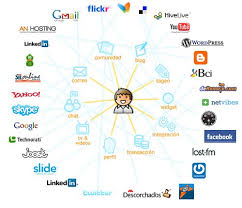
Wendy Drexler is an instructor at the University of Florida. She designed the university’s first blended Moodle course. Moodle can be used as a platform to construct fully online classes. Ms. Drexler also facilitated students in developing their personal learning environment, demonstrated in the youtube video ‘The Networked Student’.
The video explains what it means for students to be 21st century learners. The male in the video explains how connectivism, “the theory that presumes that learning occurs as part of a social network of many diverse connections and ties made possible through various tools of technology”, empowers and enables students to be in control of their personal learning environment. Students are allowed to make connections with others who will help these students in strengthening their learning process. I found the use of an mp3 player as an educational tool interesting, as it enables students to have access to lecture recordings from professors at Berkeley, Yale, and other universities. This may come in handy when a student is researching information for a projects. Students are also able to use sites such as twitter, skype and blogger. These sites enable students to go outside of their classroom, they connect students with different people around the world.
An important question proposed in the video is “Why does the networked student even need a teacher?”. This question is pretty much answered in the video, while a networked student is allowed to be in control of their learning process and is an independent learner, he or she would still need guidance from their instructors. As described in the video a teacher is a ‘learning architect’ and is their to aide students in building their personal learning network and to take advantage of learning opportunities presented to them. The teacher should also help students get excited and motivated about new information that they find. Teachers also offer guidance and assistance in helping students to communicate more effectively..Teaching and “learning” as we know will cease to exist. Traditional methods of teaching will soon be phased out, technology is transforming learning and teaching. While students are rapidly becoming independent learners, I do believe teachers will still play a vital role in their educational journeys.
Cathleen Inker
I was assigned the video, “ Harness Your Students’ Digital Smarts” by Vicki Davis. This video can be found on the Edutopia website. The video is a great example of how to implement technology into the classroom and step outside traditional teaching methods. Vicki Davis’ students were sharing their thoughts and work with students all over the world! She has created a website called “Digi Teen” where students and teachers can comminucate through blog posts and share their ideas. They also have assigned topics they post their research and writings, that other students from around the world can comment on and pull information from. In addition, students can not only critique and comment on each other's work, but they can also collaborate on assignments together, even though they are thousands of miles from each other. Davis also includes her students in the teaching process. She allows them to stand in front of the classroom to share their work and not only instruct each other, but Ms. Davis herself. For example, in the video she says that her students taught her how to use Tetherraform, which she was unaware of how to use until her students showed her that day. Davis utilizes technology in her classroom on a daily basis.
Edna Montgomery
Mr. Roberts thoughts on teaching in the 21 century, focuses on technology making the classroom an interesting place. I feel his thoughts of technology is great because of the ability to involve the students in learning more about the world. As a educator, interested in learning would mean a lot to me.
Dr. Dancealot is an extremely humorous video. In this video, Dr. Dancealot gives poor instructions to his students that are learning complicated dances, such as the Foxtrot and Waltz. This video pokes fun at how some teachers throw information at students in an uninteresting way, and then expect students to be able to perform difficult tasks based merely on the information they are given. For example, at one point during the video Dr. Dancelot is giving dance step instructions behind his desk where students are unable to see. When a student tries to stand up and perform the steps to grasp the concept of the dance, the student is scolded. This example shows how important hands on learning is in the classroom. No one can expect a student to perform a task perfectly without having practiced it first, no matter how much instruction they are given. Even though the Dr. Dancelot is a bit extreme, it definitely shows the need to have group interaction and hands on learning techniques in the classroom.
By: Cathleen Inker
I think that the Dr. Dancealot video is an exemplary example of the importance of hands on learning and project based learning. Dr. Dancealot says that he has taught dance for 12 years but seems to barely know the dance moves himself. Why would he if has only read about the dances and has never actually performed them himself. He spends the class time “teaching” his students about dance through powerpoint slides and “showing” them steps while he is behind his desk. I think the video is trying to express or relay the fact that students do not learn through watching and listening, they learn when they are able to perform the tasks or skills themselves.
By: Jasmine McCall
One word describes Mr. Dancealot, boring. I laughed a lot. His teaching methods was unreal. He was the only one interested in his dancing instruction.
By: Edna Montgomery
Jasmine McCall
Wendy Drexler: The Networked Student
Wendy Drexler is an instructor at the University of Florida. She designed the university’s first blended Moodle course. Moodle can be used as a platform to construct fully online classes. Ms. Drexler also facilitated students in developing their personal learning environment, demonstrated in the youtube video ‘The Networked Student’.
The video explains what it means for students to be 21st century learners. The male in the video explains how connectivism, “the theory that presumes that learning occurs as part of a social network of many diverse connections and ties made possible through various tools of technology”, empowers and enables students to be in control of their personal learning environment. Students are allowed to make connections with others who will help these students in strengthening their learning process. I found the use of an mp3 player as an educational tool interesting, as it enables students to have access to lecture recordings from professors at Berkeley, Yale, and other universities. This may come in handy when a student is researching information for a projects. Students are also able to use sites such as twitter, skype and blogger. These sites enable students to go outside of their classroom, they connect students with different people around the world.
An important question proposed in the video is “Why does the networked student even need a teacher?”. This question is pretty much answered in the video, while a networked student is allowed to be in control of their learning process and is an independent learner, he or she would still need guidance from their instructors. As described in the video a teacher is a ‘learning architect’ and is their to aide students in building their personal learning network and to take advantage of learning opportunities presented to them. The teacher should also help students get excited and motivated about new information that they find. Teachers also offer guidance and assistance in helping students to communicate more effectively..Teaching and “learning” as we know will cease to exist. Traditional methods of teaching will soon be phased out, technology is transforming learning and teaching. While students are rapidly becoming independent learners, I do believe teachers will still play a vital role in their educational journeys.
Cathleen Inker
I was assigned the video, “ Harness Your Students’ Digital Smarts” by Vicki Davis. This video can be found on the Edutopia website. The video is a great example of how to implement technology into the classroom and step outside traditional teaching methods. Vicki Davis’ students were sharing their thoughts and work with students all over the world! She has created a website called “Digi Teen” where students and teachers can comminucate through blog posts and share their ideas. They also have assigned topics they post their research and writings, that other students from around the world can comment on and pull information from. In addition, students can not only critique and comment on each other's work, but they can also collaborate on assignments together, even though they are thousands of miles from each other. Davis also includes her students in the teaching process. She allows them to stand in front of the classroom to share their work and not only instruct each other, but Ms. Davis herself. For example, in the video she says that her students taught her how to use Tetherraform, which she was unaware of how to use until her students showed her that day. Davis utilizes technology in her classroom on a daily basis.
Edna Montgomery
Mr. Roberts thoughts on teaching in the 21 century, focuses on technology making the classroom an interesting place. I feel his thoughts of technology is great because of the ability to involve the students in learning more about the world. As a educator, interested in learning would mean a lot to me.
Wednesday, August 21, 2013
Sunday, March 3, 2013
Monday, February 25, 2013
Blog Post # 6
Wendy Drexler: The Networked Student
Connectivism is "the theory that presumes that learning occurs as part of a social network of many diverse connections and ties made possible through various tools of technology". The video demonstrated how important that theory is to 21st century learners. Ms. Drexler gives details on how a student is able to take control of their learning and make connections that will help them as their learning progresses.
The question proposed is "Why does the networked student even need a teacher?". This question is pretty much answered in the video. While a networked student is an independent learner he or she still needs guidance from their teacher. The teacher helps the student build this network and take advantage of learning opportunities presented to them. A teacher is also there to help his or her student get excited and motivated about new information that they find. This process allows students to be in control of their own learning and effectively communicate with others.
Am I ready to be a networked teacher?, the answer to this question is currently no, although I plan to become a networked teacher in the future. I hope to teach kindergarten of first grade and definently believe in my students being hands on learners. Hands on learning enables students to think about what they are learning and apply what they have learned. My students may not understand connectivism, but they should be introduced to this type of learning and what it means to be a networked student.

Monday, February 11, 2013
Blog Post # 4
Joe Dale - Benefits of Podcasting in the Classroom
The video on Benefits of Podcasting in the Classroom helped me to understand the importance of podcasting in the classroom. Podcasting opens a student's imagination and increases their thinking skills. Podcasting is a great form of technology to use when a student is ill and miss days of school. It creates a way for these students to gain access to information and lessons they missed by being absent. Parents also have access to this information and this allows parents and their children a chance to explore together, what the student has learned in class.

Flat Stanley
I thought this podcast was a wonderful way this teacher let her students explore their imaginations and express their creativity. I loved the vivid detail and enthusiasm each student had as they read about their journeys. The students were allowed to choose any location they would like, then find information about that particular location and write their very own script. This project allowed students to go on a journey around the world right from their classroom.

The video on Benefits of Podcasting in the Classroom helped me to understand the importance of podcasting in the classroom. Podcasting opens a student's imagination and increases their thinking skills. Podcasting is a great form of technology to use when a student is ill and miss days of school. It creates a way for these students to gain access to information and lessons they missed by being absent. Parents also have access to this information and this allows parents and their children a chance to explore together, what the student has learned in class.

Flat Stanley
I thought this podcast was a wonderful way this teacher let her students explore their imaginations and express their creativity. I loved the vivid detail and enthusiasm each student had as they read about their journeys. The students were allowed to choose any location they would like, then find information about that particular location and write their very own script. This project allowed students to go on a journey around the world right from their classroom.

Sunday, February 10, 2013
Special Blog Assignment # 1
WolframAlpha Search
When I searched compare the populations of India, China and the United States, I found that the United States is ranked 3rd in the world with a population of 309 million people, India is ranked 2nd with a population of 1.21 billion people, and China is ranked 1st with a total population of 1.35 billion people. The search also provided the number of people per square mile for each country. The demographics from 2010 showed that India has 1058 people per square mile, China has 376 people per square mile, and the United States has 87.3 people per square mile.
I then searched, compare the number of students in India, China, and the United States. From this search I discovered that India and China each have more primary students alone than the total number of primary and secondary students in the United States. India has the highest number of primary and secondary students with 143.3 million primary students and 107.7 million secondary students. China comes in second with 101 million primary students and 99.2 million secondary students. The United States comes in third with a 24.39 million primary students and 24.19 million students.
Lastly I searched most spoken languages. I found that Mandarin ranks number 1 with 1.1 billion people speaking Mandarin. Mandarin originated and is most spoken in China, and 875 million people are native speakers. There are two countries that use Mandarin as an official language, China and Taiwan. The second most spoken language is English with 760 million people speaking English. English originated in the United Kingdom, but is most spoken in the United States. There are more than ten countries that use English as an official language.
I believe that WolframAlpha could be a very useful tool in the classroom. I found the site to be very interesting and fascinating. The site takes no time to provide data. I think the site can be explored by the teacher and her students as a group. WolframAlpha can also be used as part of a learning center in a classroom. Students can work individually or with a partner to explore the site and write about what they found.
Gary Hayes Social Media Count
Gary Hayes' Social Media Count tracks real-time stats of social networking sites. There are twenty different combinations that one can choose from will visiting the site. The Social Media Count consists of four categories: social, mobile, games and heritage, you may choose one of these along with a time frame, ranging from the present moment to over a year ago. The Social Media Count goes beyond social networking sites such as facebook, twitter, and youtube. By clicking on the Heritage tab, you will be able to view how much money is being made at the present time or how much money has been made in the past at the United States post office and from music track downloads and you are also able to view how many people have read a newspaper or been to an orchestra.

I found it fascinating to watch the numbers increase at such a rapid rate. I could have never imagined those numbers being so high and the unbelievable rate at which they increased. I believe that as an educator, I should be up to date on technology and it's ever changing ways. However I also think that technology in the classrooms should be limited. While social media such as facebook and blogs can be useful tools for a teacher and his or her students when used in the proper way, they do not need to be consumed by it.
I believe that WolframAlpha could be a very useful tool in the classroom. I found the site to be very interesting and fascinating. The site takes no time to provide data. I think the site can be explored by the teacher and her students as a group. WolframAlpha can also be used as part of a learning center in a classroom. Students can work individually or with a partner to explore the site and write about what they found.
Gary Hayes Social Media Count
Gary Hayes' Social Media Count tracks real-time stats of social networking sites. There are twenty different combinations that one can choose from will visiting the site. The Social Media Count consists of four categories: social, mobile, games and heritage, you may choose one of these along with a time frame, ranging from the present moment to over a year ago. The Social Media Count goes beyond social networking sites such as facebook, twitter, and youtube. By clicking on the Heritage tab, you will be able to view how much money is being made at the present time or how much money has been made in the past at the United States post office and from music track downloads and you are also able to view how many people have read a newspaper or been to an orchestra.

Friday, February 1, 2013

Subscribe to:
Posts (Atom)